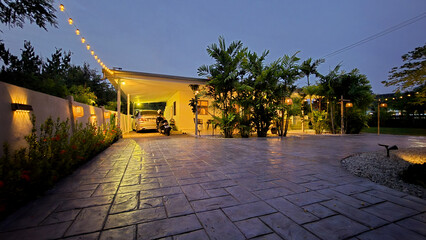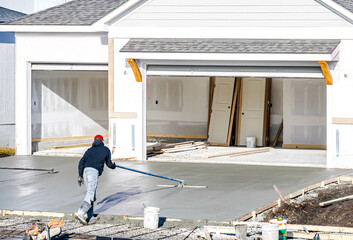
Concrete driveways can last decades, but they do require some maintenance. Proper care includes regular cleaning, prompt repairs, and resealing. Avoid de-icing chemicals that contain harsh salts and regularly inspect for cracks or surface damage.
Concrete Plano TX can elevate your home’s curb appeal with decorative finishes like stamped concrete or exposed aggregate. This comprehensive guide covers everything you need to know about the installation process, from planning through curing.
Site Preparation
Replacing a driveway is an opportunity to improve the quality of your home’s curb appeal, expand parking space, and address drainage issues. But a concrete driveway is much more than just a surface to drive on, and it requires the right materials, preparation, and finish to perform at its best.
The first step in any construction project is site preparation. This involves transforming raw land into a ready-to-build foundation. It includes critical services like excavation, soil composition assessment, and utility installation prep, among others. During this phase, contractors can avoid unforeseen obstacles that slow projects down and cost money.
Excavation is the cornerstone of site prep, and it’s important for any project involving foundation construction or landscaping. It’s also necessary for projects like laying a new concrete driveway, as it prepares the surface for the concrete pour. It’s vital to choose an experienced contractor for excavation, as mistakes can lead to costly delays.
After excavation, a gravel base is installed and compacted to help ensure the structural stability of your new concrete driveway. The base also helps promote proper drainage and keeps the concrete stable during freeze-thaw cycles. Next, formwork is set up and concrete is poured into the forms. It’s essential to select a high-quality concrete mix designed for durability and resistance to weathering, cracking, and staining.
Once the concrete is poured, it’s left to cure for several days before you can use it. During this time, it’s crucial to keep vehicles and people off the concrete to prevent damage. Once cured, the concrete is finished with options like broom-finishing for traction and decorative stamping to add visual appeal.
Forms
Concrete is a hardy and long-lasting material that forms the foundations, driveways, sidewalks, and patios of many modern homes. It starts as a pliable slurry that can be molded and shaped into an endless array of structures. This process is called forming and setting concrete.
Forms are used to outline the shape of a concrete slab and keep it contained during construction. For residential concrete flatwork like driveways, a wood form is the traditional choice, but metal forms are also available. A concrete contractor can advise you on the best forming materials for your project.
Once the formwork is in place, a base material like gravel or crushed stone is installed. Then, wire mesh or rebar is placed inside the formwork to strengthen and prevent cracking.
The next step is to mix the concrete according to the project specifications. For driveways, a special type of foamed cement is used to create an extra-strong and long-lasting surface.
For decorative finishes, a variety of color and texture options are available. Stamped concrete mimics the look of stone, brick, or pavers for a custom exterior. Surface stains and integrally mixed colors add a pop of color to any concrete slab. And, exposed aggregate concrete shows the natural texture of small pebbles or stones within the concrete for a more rustic look.
A concrete driveway can withstand the weight of heavy vehicles and lasts longer than a paver or asphalt driveway. Its longevity and cost-effectiveness make it a great value for your home. A concrete driveway can also help reduce your energy costs by keeping your vehicle cool compared to an asphalt surface and reflecting sunlight rather than absorbing it.
Pouring
Concrete is one of the most popular choices for driveways, adding strength, durability and a finished look that complements any home style. It requires less frequent maintenance than gravel or asphalt, and can last decades. But pouring a concrete driveway is a big job, best left to professionals who can excavate, prepare the site, construct forms and pour and finish the surface quickly.
To ensure proper strength and stability, a sub-base of class-5 gravel is graded and compacted, then formwork is built around the area to hold the concrete. The formwork must be strong enough to support the concrete’s expected load and constructed using treated timber boards that are firmly secured and aligned with stakes and string lines. Wire mesh or metal rebar is also placed over the base to reinforce and help prevent cracking.
Once the formwork is in place, a concrete truck delivers wet concrete from a ready-mix plant and it is poured into the formwork. A crew of 2-4 people then level and screed the wet concrete to smooth it and push down aggregate. Once the concrete has a water sheen, it is troweled with a bull float to achieve a smooth finish. Control joints are then cut into the wet concrete at prescribed intervals to allow for natural settling and shifting without cracking.
Modern concrete can be stained, colored or exposed to reveal the aggregate for a customized appearance. Exposed aggregate is also more slip resistant than smooth concrete. Another option is stamped concrete, which mimics the look of stone, brick or pavers for a more refined aesthetic. While concrete has an ecological footprint due to its manufacturing process, it can be made more environmentally friendly with eco-friendly mix options that use recycled materials like fly ash or slag and local sources to reduce the need for Portland cement and transportation emissions.
Finishing
Concrete is a versatile material that can be shaped into a variety of different textures, finishes, and colors. This versatility, along with its durability and long lifespan, makes it a popular choice for driveways. In fact, a well-constructed concrete driveway can last 30 years or more and is able to withstand harsh climates and heavy vehicles with minimal upkeep.
Once the site is cleared and prepared, it’s time to lay down the base layer. This typically involves spreading a layer of crushed stone or gravel over the excavated area, which helps to add strength and promote drainage. For driveways that will be supporting heavy vehicles, contractors may also reinforce the concrete with wire mesh or rebar.
Then it’s time to mix and pour the concrete! After the forms are set, a team of experts will work to fill the forms evenly and spread the concrete over the ground. Concrete is typically poured at 4 inches thick, but can be increased to 5 inches for added structural strength and improved load-carrying capacity.
Depending on the thickness, the concrete is then tamped down and leveled with a screed board. It’s then given a final finish, which can be broom-finished for slip resistance or stamped with decorative designs for a unique look.
Once the concrete is poured, it must cure for up to 28 days to reach its full strength. During this time, the concrete should be protected from people and animals. After the curing period is complete, you can begin using your new concrete driveway, though it’s important to avoid driving or parking any heavy vehicles on the concrete for the first two days. It’s also a good idea to wait to apply a driveway sealant until after the concrete has cured.
Curing
Concrete is a popular choice for driveways, offering strength and durability while complementing most any home style. It also requires less maintenance than gravel or asphalt surfaces, and it adds value to the property. But before you head out and get your new concrete driveway, it’s important to understand how the process works to ensure it holds up over time.
After the surface has been poured, it goes through a curing phase. This is where tiny crystals form within the concrete mixture, binding everything together and strengthening it over time. The full curing process can take up to 28 days, and it’s crucial for a strong, long-lasting driveway.
During the curing phase, it’s a good idea to avoid driving on your new concrete. Instead, it’s recommended to wait until the concrete reaches at least 70% of its potential strength. This is typically when it’s safe to walk on, and you can even park light vehicles on it (but no trucks or SUVs).
Once the driveway has reached its final strength, it should be sealed. This protects the concrete from moisture penetration, freeze-thaw cycles, and wear and tear. In addition, resealing helps reduce the need for repairs by extending its lifespan and maintaining its visual appeal.
When choosing a concrete contractor, look for one with a solid track record of high-end services and a customer-first approach. Concrete Science brings craftsmanship, precision, and a focus on durability to every project they undertake. The team evaluates your space, discusses design preferences, and provides a transparent quote before starting work. They’ll also ensure proper grading to ensure that water drains away from your property and doesn’t pool on the new concrete driveway.
Visit our Professional Services Blogs
Chris Atkins Lawncare, Atticus Landscaping, Treasure Coast Pressure Wash, Gulf Beach Plumbing, Marlborough Plumbing, Guns And Hoses Pressure Washing, Ambrose Construction, Coral Gables Pressure Washing, Willco Photography, Roofing Akron, Danalogsdon Roofing El Cajon, EC Siding Roofing Windows, Aurora Gutter, American Insurance Source, ECO, etdn, Denison Service League, Roofing Blog, Atlantic Vinyl Windows, Brookshires Fireplaces, JD Advanced Remodeling, Product Judgment, Master Dry Foundation Repair, Moe’s Hip, Elta Patio Paramount, Rock Around The Clock Festival, Learn, Play, Beyond, MoralesT Gardening, Car Window Tinting Perth, Duncan Carpentry, Gatestone Lighting, Mid Missouri Mold Inspections, Stucco Repair Albuquerque, Wausau Siding Hire, Munster Tree Care, Blue Granite Homes, Custom House, CENTRAL OS, Atlanta Pavers, Phillips Law Firm, Brent Ryder Masonry, Walker Construction Drywall Division, RJ Law, Caledon Plumbing, DDS Tech USA, Maine Mortgage Services, Inckpen, Seasons at Rose Creek, Cottonwood Place Dental, Cosmetic Laser 2000