For many homeowners, pest control is often associated with eliminating nuisance insects or rodents that invade living spaces. While dealing with visible pests is certainly important, the real value of routine pest inspections goes far beyond addressing minor inconveniences. Regular inspections play a crucial role in protecting the structural integrity of a property, helping homeowners identify hidden threats before they develop into costly and extensive repairs.
Structural damage caused by pests can occur gradually and silently. In many cases, infestations remain unnoticed for months or even years while pests continue to compromise wooden frameworks, insulation, flooring, foundations, and other essential components of a home. By the time visible signs emerge, substantial damage may already have occurred. This is why routine Pest Control Euless TX inspections are considered one of the most effective preventative maintenance strategies available to property owners.
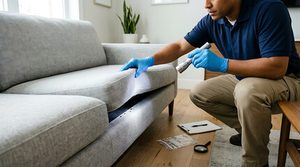
In this article, we will explore how regular pest inspections help prevent expensive structural damage, the warning signs professionals look for, and why proactive monitoring is far more cost-effective than waiting for a serious infestation to develop.
Understanding the Link Between Pests and Structural Damage
Many pests are capable of causing significant damage to residential and commercial structures. Unlike weather-related wear and tear, pest activity often progresses unnoticed because much of the destruction takes place behind walls, beneath flooring, inside crawl spaces, or within ceiling cavities.
Certain pests feed directly on wood and other building materials, gradually weakening vital structural elements. Others create conditions that encourage moisture accumulation, mould growth, and secondary forms of deterioration. Regardless of the specific pest involved, the result is often the same: increased repair costs and reduced property value.
Routine inspections focus on identifying both active infestations and conditions that may attract pests in the future. By detecting problems early, property owners can address issues before they escalate into major structural concerns.
Why Structural Pest Damage Often Goes Undetected
One of the biggest challenges homeowners face is that pest-related structural damage frequently develops out of sight. Many destructive pests prefer dark, humid, and secluded environments where they can remain active without disturbance.
Because these pests hide within inaccessible areas, visible evidence may not appear until the infestation has become severe. Homeowners often discover damage only after noticing sagging floors, weakened wooden supports, cracked walls, or other structural symptoms.
Several factors contribute to delayed detection:
- Pests often inhabit hidden spaces within the structure.
- Damage progresses gradually over extended periods.
- Early warning signs may be subtle and easily overlooked.
- Homeowners rarely inspect vulnerable areas regularly.
Routine professional inspections bridge this gap by examining areas that most property owners would not typically assess on their own.
The Financial Benefits of Early Detection
One of the most compelling reasons to invest in routine pest inspections is the potential for substantial cost savings. Preventative inspections generally cost far less than repairing extensive structural damage caused by an established infestation.
When pest activity is identified early, treatment can often be localised and relatively straightforward. Early intervention may involve targeted pest management strategies, moisture correction, sealing entry points, or replacing limited areas of damaged material.
In contrast, untreated infestations may eventually require:
- Major structural repairs.
- Extensive wood replacement.
- Floor reconstruction.
- Wall restoration.
- Foundation-related repairs.
- Large-scale pest remediation efforts.
The cost difference between preventative action and major reconstruction can be significant, making routine inspections a wise investment for long-term property protection.
Protecting Wooden Structural Components
Wood remains one of the most commonly used materials in residential construction, making it particularly vulnerable to certain types of pests. Structural framing, floor joists, support beams, roof trusses, and other wooden components provide essential support for the entire building.
When pests attack these elements, the integrity of the structure may gradually decline. The damage often begins internally, making it difficult to detect through casual observation. A beam or support post may appear intact externally while considerable deterioration exists within.
Routine inspections help identify:
- Weakening structural timbers.
- Signs of wood consumption.
- Hidden galleries and tunnels.
- Areas of active pest activity.
- Conditions favourable to infestation.
By addressing these issues promptly, homeowners can prevent progressive damage from compromising the safety and stability of the structure.
Identifying Moisture Problems Before They Attract Pests
Moisture and pest activity are closely connected. Many destructive pests thrive in damp environments where wood becomes softer and more susceptible to infestation.
During routine inspections, professionals often assess moisture levels in addition to searching for active pests. This dual approach helps identify conditions that increase infestation risk before significant problems develop.
Common moisture-related concerns include leaking pipes, inadequate drainage, poor ventilation, condensation, and water intrusion around the foundation. These issues may not immediately cause structural damage, but they create favourable conditions for pests that can eventually lead to serious deterioration.
Addressing moisture problems early not only protects the property from water damage but also reduces the likelihood of future pest infestations.
Preserving the Integrity of Flooring Systems
Flooring systems rely on a network of structural supports hidden beneath visible surfaces. These components must remain strong and stable to support daily household activity safely.
Unfortunately, pests often target subflooring materials, support beams, and floor joists located beneath the home. Since these areas are rarely inspected by homeowners, infestations may continue undetected for extended periods.
As damage progresses, occupants may notice:
- Uneven or sloping floors.
- Soft spots underfoot.
- Excessive floor movement.
- Squeaking or creaking sounds.
- Visible sagging.
Routine inspections can identify early-stage damage before flooring systems become structurally compromised, helping homeowners avoid expensive repairs and potential safety hazards.
Maintaining Foundation Stability
Although foundations are commonly associated with concrete and masonry, many foundation systems include components that can be affected directly or indirectly by pest activity. In addition, pests may exploit cracks, moisture issues, and voids surrounding foundation structures.
Routine pest inspections often include evaluation of foundation areas to identify vulnerabilities that could contribute to future damage. Inspectors may look for moisture accumulation, visible entry points, soil disturbances, and signs of activity around structural supports.
Regular assessments provide valuable insight into conditions that could impact both pest management and overall structural performance, helping homeowners address concerns before they become major repair projects.
Detecting Damage Before Home Value Is Affected
Property value is closely linked to structural condition. Prospective buyers and property inspectors often pay particular attention to evidence of pest activity during evaluations and transactions.
Visible pest damage can raise concerns about the overall health of the property and may lead to lower offers, prolonged negotiations, or decreased marketability. In severe cases, significant structural damage can affect financing approvals or insurance considerations.
Routine inspections help preserve property value by ensuring issues are identified and resolved before they become obvious. Maintaining detailed inspection records can also demonstrate responsible property maintenance, providing reassurance to future buyers.
What Professionals Look for During a Pest Inspection
Many homeowners are surprised by the thoroughness of a professional pest inspection. Rather than simply searching for insects or rodents, inspectors evaluate the entire property for signs of current activity, past infestations, and conditions that may support future pest populations.
A typical inspection may involve examining:
- Crawl spaces and basements.
- Attics and roof structures.
- Wall voids and utility penetrations.
- Structural timber components.
- Moisture-prone areas.
- Exterior foundations and landscaping interfaces.
- Garages and storage spaces.
This comprehensive approach allows inspectors to identify vulnerabilities that might otherwise remain undetected.
Common Warning Signs Homeowners Should Watch For
Although routine professional inspections are important, homeowners can also help protect their properties by recognising potential warning signs between appointments.
Some indicators that warrant attention include:
- Visible wood damage.
- Mud tubes or similar structural markings.
- Soft or hollow-sounding timber.
- Bubbling paint or wall surfaces.
- Unexplained cracks in walls.
- Doors and windows that suddenly become difficult to operate.
- Increased moisture levels or persistent dampness.
- Evidence of pest droppings or nesting activity.
When multiple warning signs appear simultaneously, scheduling a professional inspection becomes especially important.
Why Preventative Maintenance Is Always the Better Option
Many property owners take a reactive approach to pest control, addressing problems only after noticeable damage becomes visible. Unfortunately, this strategy often leads to higher repair costs and more extensive remediation efforts.
Preventative maintenance allows professionals to identify issues while they remain manageable. Regular inspections create opportunities to address vulnerabilities before pests establish large populations or cause major structural deterioration.
The benefits of preventative inspections include:
- Earlier problem detection.
- Reduced repair costs.
- Better long-term property protection.
- Improved structural reliability.
- Greater peace of mind for homeowners.
In many cases, the savings generated through prevention significantly outweigh the costs associated with routine inspection schedules.
Long-Term Protection Through Consistent Monitoring
Structural protection is not a one-time effort. Conditions around a property can change over time due to weather, landscaping modifications, water intrusion, or natural ageing of building materials. These changes can create new pest risks that were not previously present.
Consistent monitoring allows professionals to identify evolving concerns and adjust prevention strategies accordingly. Regular inspections establish a baseline for property health, making it easier to recognise unusual activity before significant damage occurs.
This ongoing vigilance helps ensure the home remains protected not only from current threats but also from emerging risks that could affect structural stability in the future.
Routine pest inspections are one of the most effective ways to protect a property from expensive structural damage. While pests often remain hidden from view, their impact on foundations, wooden supports, flooring systems, walls, and other critical components can be substantial if left unchecked. By identifying infestations early and addressing conditions that attract pests, homeowners can avoid costly repairs, preserve property value, and maintain the long-term integrity of their homes.
Rather than waiting for visible signs of damage to appear, proactive inspection programmes provide a practical and cost-effective approach to property maintenance. Regular professional assessments, combined with attentive homeownership and preventative measures, create a strong defence against destructive pest activity and help ensure a safe, stable, and structurally sound home for years to come.