Your home’s foundation is one of the most important structural components of the entire property. It is responsible for supporting the weight of the house, maintaining stability, and ensuring that walls, floors, doors, and other structural elements remain properly aligned. While foundations are designed to last for decades, they are not immune to damage. Over time, shifting soil, moisture changes, drainage issues, and natural settling can create problems that threaten the integrity of a home’s structure.
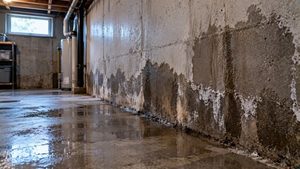
Many homeowners overlook the early warning signs of Foundation Repair Murfreesboro TN issues because they often appear minor at first. A small crack in a wall or a door that sticks occasionally may not seem like a major concern. However, these seemingly harmless issues can gradually develop into significant structural problems if left unaddressed. Recognising the signs of foundation damage early can help prevent expensive repairs and protect the long-term value of your property.
In this guide, we will explore the top warning signs your home needs foundation repair and explain why early intervention is critical for maintaining a safe and stable living environment.
Why Foundation Problems Should Never Be Ignored
A strong foundation serves as the backbone of your home. When the foundation begins to shift, settle unevenly, or crack, the effects can spread throughout the entire structure. Foundation damage does not typically fix itself. In most cases, the problem continues to worsen over time, causing additional stress on walls, floors, ceilings, and other structural elements.
Ignoring foundation issues can lead to higher repair costs, reduced property value, water intrusion, and even safety concerns. The sooner a problem is identified and addressed, the more affordable and manageable the repair process is likely to be.
1. Cracks in Interior Walls
One of the most noticeable indicators of foundation problems is the appearance of cracks inside the home. While not every crack points to foundation damage, certain patterns should raise concerns.
Cracks often appear around windows, door frames, corners of walls, and ceilings. They may start as hairline fractures but gradually become wider over time. When a foundation shifts or settles unevenly, stress is transferred to the walls, causing drywall and plaster to crack.
Pay special attention to:
- Diagonal cracks extending from windows or doors.
- Large horizontal cracks.
- Repeatedly repaired cracks that continue to reappear.
- Cracks wider than a few millimetres.
While minor cosmetic cracking can occur due to normal settling, extensive or expanding cracks often indicate a deeper structural issue requiring professional evaluation.
2. Exterior Wall Cracks
Foundation movement frequently leaves visible signs on the outside of a home as well. Brick, concrete, stucco, and masonry surfaces can develop cracks when structural stress increases.
Exterior cracks are particularly concerning because they may signal movement occurring directly within the foundation itself. Small cracks can eventually expand, allowing moisture to penetrate the structure and accelerate deterioration.
Watch for stair-step cracking in masonry, widening gaps between materials, and noticeable fractures that continue to grow over time. These issues should never be ignored, especially when accompanied by other foundation-related symptoms.
3. Doors That Stick or Refuse to Close Properly
Have you noticed that certain doors no longer open smoothly or require extra force to close? This common problem is often linked to foundation movement.
As a foundation shifts, the framing of the house may become slightly distorted. Even small changes in structural alignment can affect door openings. Homeowners often assume swelling due to humidity is the culprit, but when multiple doors throughout the house begin sticking simultaneously, foundation issues may be responsible.
In severe cases, doors may:
- Rub against the frame.
- Fail to latch correctly.
- Swing open unexpectedly.
- Develop visible gaps around the edges.
These changes often indicate that parts of the structure are no longer level.
4. Windows That Become Difficult to Operate
Much like doors, windows can reveal early signs of foundation problems. Shifting foundations place pressure on window frames, causing them to become misaligned.
You may notice windows that suddenly become difficult to open or close. Some may stick, while others may not lock properly. In extreme situations, glass panes may crack because of the stress caused by structural movement.
Because window operation depends on precise alignment, even slight foundation shifting can create noticeable performance issues throughout the home.
5. Uneven or Sloping Floors
Floors should generally remain level throughout a home’s interior. If certain areas begin to slope, dip, bounce, or feel uneven underfoot, foundation movement may be the underlying cause.
Uneven flooring is often one of the clearest indicators that structural support is changing beneath the home. Foundation settlement can cause sections of the structure to sink while others remain stable, creating noticeable slopes across rooms.
Homeowners may experience:
- Floors that feel tilted.
- Soft or spongy areas.
- Visible dips in flooring.
- Gaps appearing between floorboards.
Although some older homes naturally develop slight variations over time, sudden or worsening unevenness should be investigated promptly.
6. Gaps Around Doors and Windows
Another warning sign of foundation damage is the formation of gaps around doors and windows. As the home’s structure shifts, framing components may separate from surrounding materials.
These gaps often appear small initially but tend to increase as movement continues. In addition to indicating structural stress, they can reduce energy efficiency by allowing outside air to enter the home.
You may notice drafts, higher utility bills, or visible separations around window and door frames. When these symptoms appear alongside cracks or sticking doors, foundation issues become increasingly likely.
7. Separation Between Walls and Ceilings
As foundation movement affects a home’s structural integrity, interior surfaces may begin to separate from one another. Homeowners sometimes notice gaps developing where walls meet ceilings or where walls connect to adjacent surfaces.
These separations occur because different sections of the structure move at varying rates. What begins as a minor cosmetic concern can eventually indicate significant underlying movement.
Long gaps, widening joints, and recurring separation signs should be evaluated before the damage becomes more extensive.
8. Foundation Cracks
Visible cracks in the foundation itself are among the most serious warning signs. Not every foundation crack signals imminent danger, but they should always be monitored carefully.
Some cracks result from normal curing and settling processes. Others may indicate structural movement requiring immediate attention.
Foundation cracks become more concerning when they:
- Continue to widen.
- Extend across large sections.
- Allow water infiltration.
- Appear alongside other structural symptoms.
Regular inspections can help identify whether cracks are stable or part of a developing problem.
9. Water Intrusion and Moisture Problems
Excess moisture around a foundation can create serious long-term issues. Water weakens supporting soil, increases hydrostatic pressure, and contributes to foundation movement.
Signs of moisture-related foundation problems include damp basements, standing water, mould growth, musty odours, and recurring leaks.
Moisture concerns are particularly important because they create a cycle of damage. Water affects soil stability, foundation movement increases cracking, and cracks allow even more water to enter the structure.
Maintaining proper drainage is essential for protecting foundation health over the long term.
10. Chimney or Porch Separation
Exterior structures attached to a home often reveal foundation movement before interior spaces do. Chimneys, porches, steps, and similar features may begin pulling away from the main structure when settlement occurs.
Since these components have their own weight and support systems, even small shifts can create visible gaps and separations.
Signs include:
- Leaning structures.
- Expanding joint gaps.
- Cracked connection points.
- Noticeable tilting.
Such symptoms suggest significant movement that should be assessed by a foundation specialist.
Common Causes of Foundation Damage
Understanding what causes foundation problems can help homeowners take preventative action. Several factors contribute to foundation deterioration over time.
Some of the most common causes include:
- Poor drainage around the property.
- Excessive soil moisture fluctuations.
- Tree roots drawing moisture from surrounding soil.
- Prolonged drought conditions.
- Plumbing leaks beneath the foundation.
- Improper construction practices.
- Natural soil settlement.
While some causes are unavoidable, proper maintenance and regular inspections can significantly reduce the risk of severe damage.
When to Seek Professional Foundation Repair
Many homeowners wait until foundation problems become severe before seeking help. Unfortunately, delaying repairs often leads to increased costs and more extensive structural damage.
It is advisable to schedule a professional inspection if you observe multiple warning signs occurring at the same time. For example, wall cracks combined with sticking doors and uneven floors often indicate a larger foundation issue rather than isolated cosmetic defects.
Foundation professionals can evaluate the severity of the problem, identify its cause, and recommend appropriate repair solutions before conditions worsen.
Final Thoughts
Your home’s foundation affects every part of the structure above it, making early detection of potential problems extremely important. Cracked walls, sticking doors, uneven floors, moisture intrusion, and visible foundation cracks are all signs that should never be ignored. While some symptoms may appear minor initially, they can quickly evolve into significant structural concerns that require extensive repairs.
By paying close attention to these warning signs and addressing issues promptly, homeowners can protect their investment, maintain property value, and ensure their home remains safe and stable for years to come. Foundation problems rarely disappear on their own, but early intervention can make a substantial difference in both repair costs and long-term structural performance.